Spring is just around the corner. For commercial landscaping operations in the Midwest, winter is the perfect window for fleet planning to determine whether your crew runs as efficiently as you need it to. By planning your equipment lineup now, you’re securing the best inventory before the spring rush creates delays.
Start Planning Now
When contracts start in April, you need a fleet that’s ready to roll. Waiting until March means competing with every other operation for limited inventory and possibly starting the season short-handed.
Early Planning Advantages
- Best selection of commercial-grade equipment
- Time to secure financing and budget appropriately
- Scheduled delivery before peak season demand
- Service department availability for fleet prep
Core Mowing Equipment
Zero-Turn Mowers
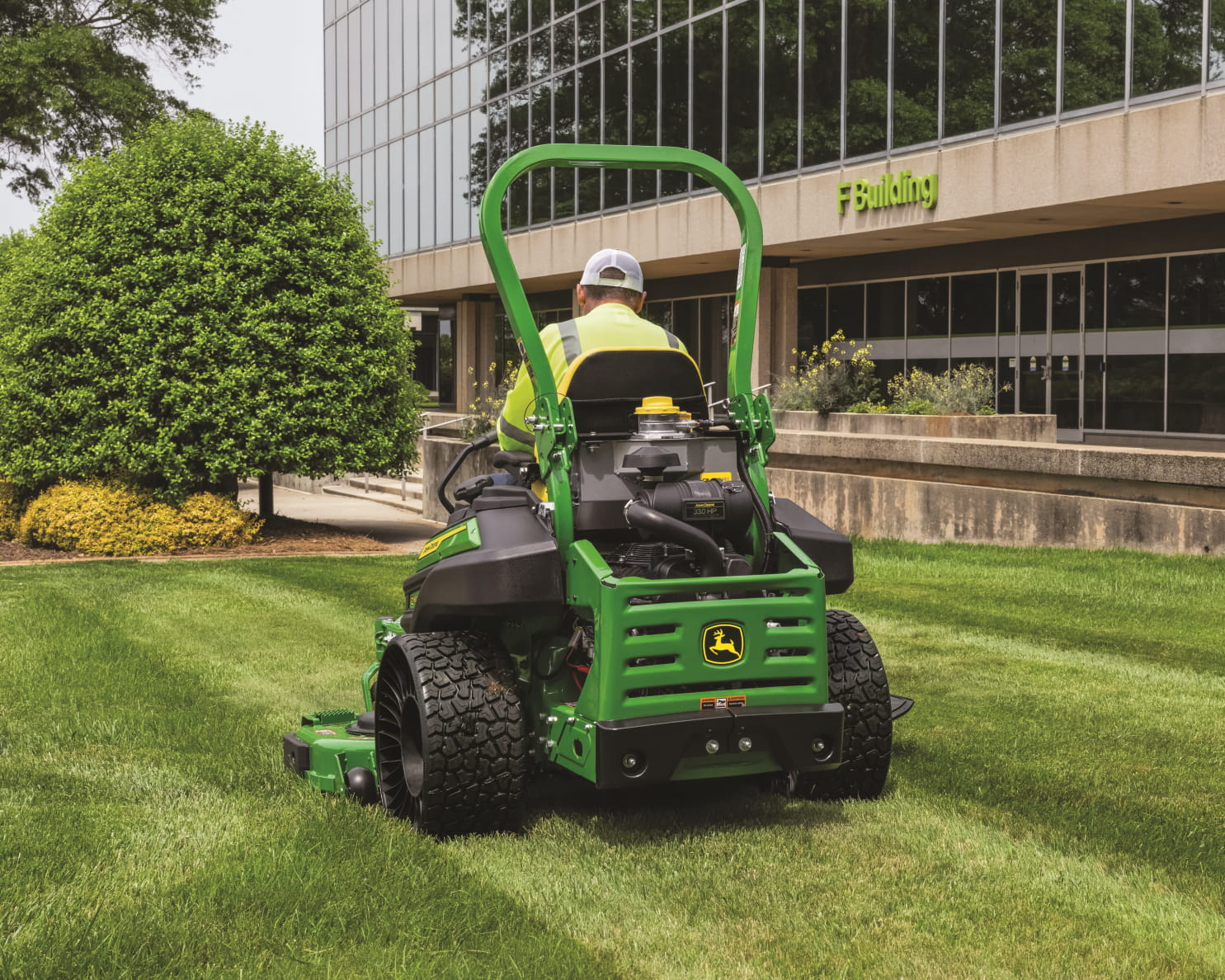
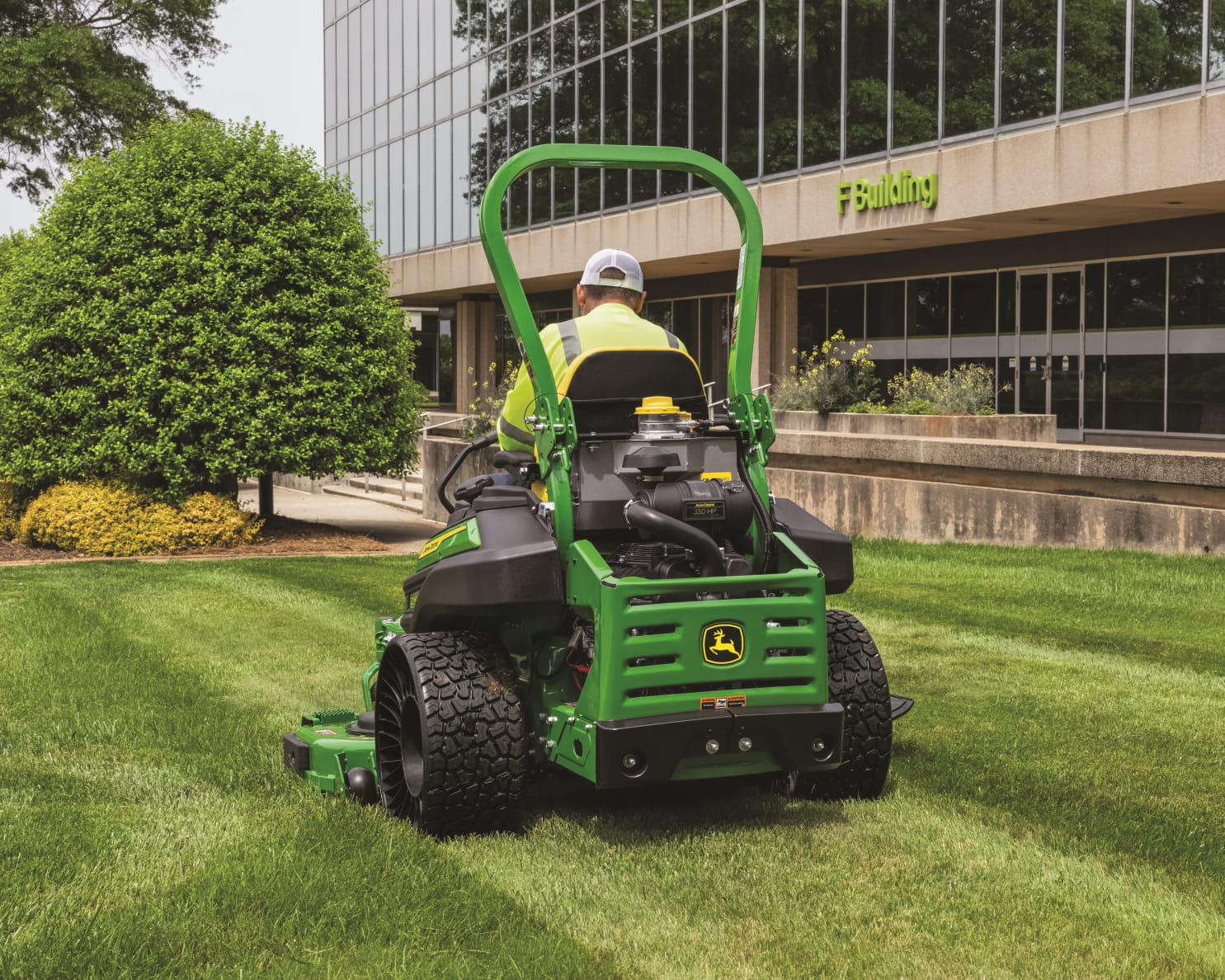
John Deere ZTrak Mowers deliver reliability and cut quality all season long. At 23.5 to 37 horsepower and with decks ranging from 48 to 72 inches, these zero-turn mowers can fit in tight spaces and cover plenty of ground.
Fleet Considerations
- Adequate backup units to cover maintenance and repairs
- Consistent models for simplified training and parts inventory
- Deck sizes matched to contract portfolio
Commercial Walk-Behind Mowers
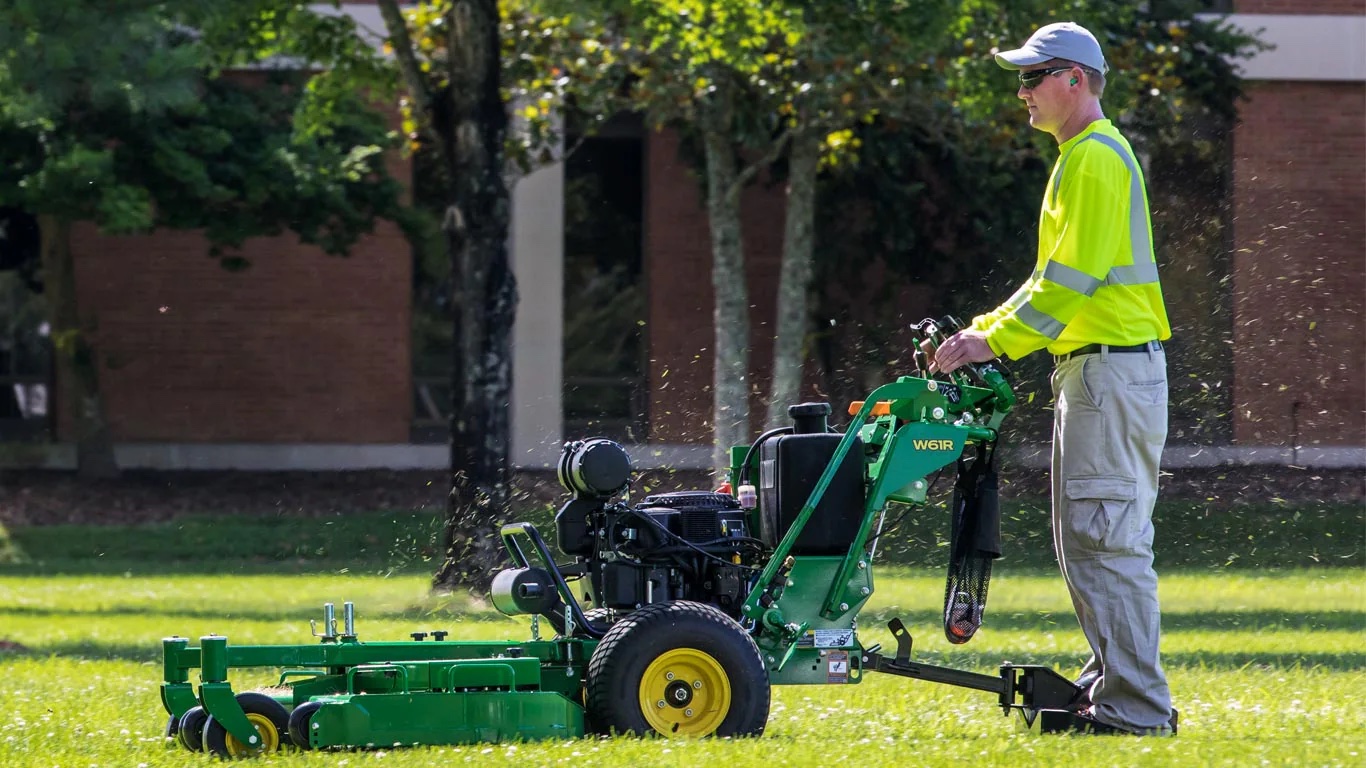
Not every property accommodates zero-turns. Commercial walk-behind mowers handle gated yards, slopes, and detail work. Hydrostatic drive models reduce operator fatigue during full-day use.
Support Equipment
Compact Tractors
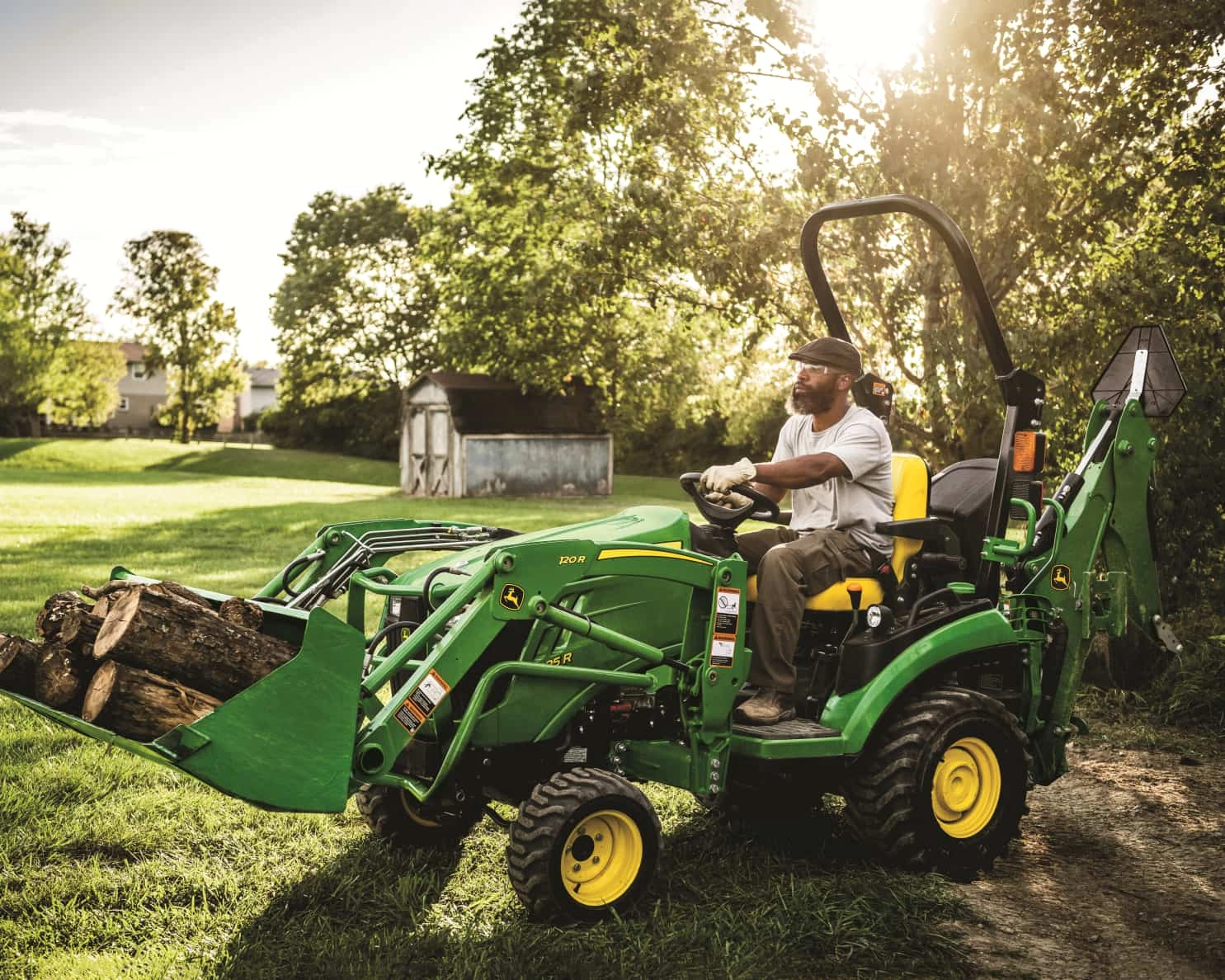
John Deere compact tractors with loaders handle landscape installation, material delivery, mulch spreading, and seasonal services beyond mowing. A 1 Series or 2 Series model offers plenty of horsepower for installation work, spring cleanup, and other support tasks.
Utility Vehicles
Gator utility vehicles move crews, tools, and materials efficiently across larger commercial properties, handling debris hauling and site access that pickup trucks can’t manage on turf.
Planning for Maintenance and Uptime
Commercial fleet success depends on uptime. Equipment breakdowns can cost your crew productivity and, sometimes, contracts.
Reliability Strategies
- Establish preventive maintenance schedules before season starts
- Stock common replacement parts for quick repairs
- Build dealer relationships for priority service support
- Budget for backup equipment that keeps crews working
Matching Equipment to Contracts
Your fleet should reflect your contract mix. Operations focused on large commercial properties need different equipment than those servicing residential subdivisions.
Fleet Considerations
- Average property sizes in your contract portfolio
- Percentage of detail work vs. open mowing
- Seasonal service offerings beyond mowing
- Crew count and equipment allocation
Financing and Growth Planning
Plan equipment purchases with desired growth in mind. Adding crews or expanding services mid-season can create gaps in efficiency. Many crews buy slightly beyond their current needs to accommodate contract growth without emergency purchases during peak season.
Preparing for Success
Planning for a successful season starts long before the mowing does. Contact Heritage Tractor today to discuss your operation’s needs and equipment availability. Our team of experts throughout Kansas, Missouri, Illinois, and Arkansas will help you build a fleet lineup to keep your business profitable year after year.