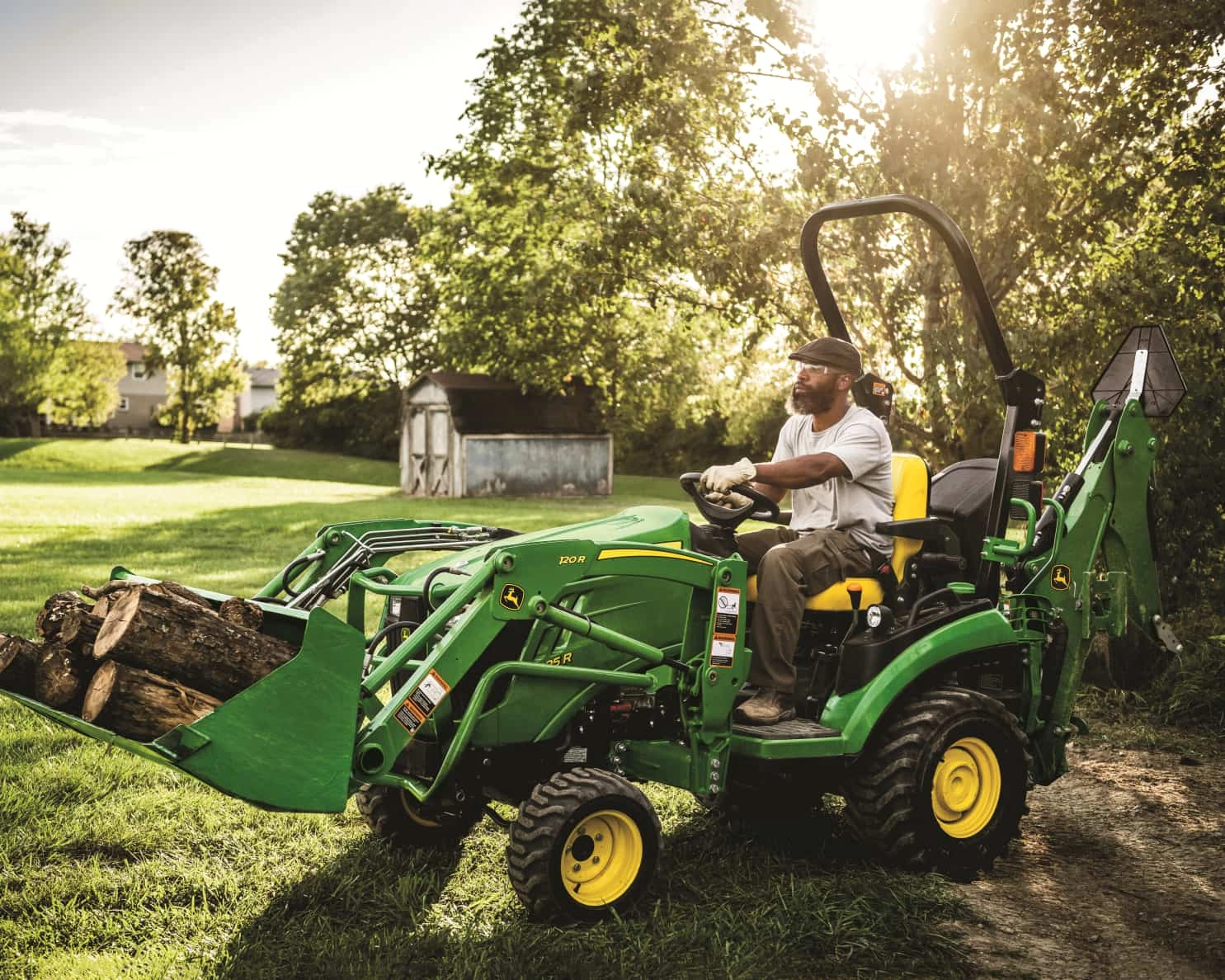
The biggest tractor isn’t always the best choice. When it comes to smart tractor buying, it’s all about matching horsepower and equipment capabilities to your property’s demands. Understanding your acreage, terrain, and basic tasks prevents underspending on inadequate equipment and overspending on power you’ll never use.
Considering Acreage
1-2 Acres: The 1 Series
John Deere 1 Series tractors handle most small property needs with no trouble. The 1023E and 1025R are some of our most popular models, delivering adequate power for mowing, light loader work, and basic landscaping without breaking the bank.
Up to 5 Acres: The 2 Series
The John Deere 2 Series provides boosted power and efficiency for slightly larger properties. More power translates directly to faster mowing, more hauling, and higher capability for heavier implements. The 2025R, 2032R, and 3038R offer excellent power for heavy clay soils and more demanding labor.
Up to 10 Acres: The 3 and 4 Series
John Deere 3 Series or 4 Series tractors make sense for up to 10 acres. You’re spending significant time on equipment and likely managing demanding tasks like food plots, larger gardens, or pasture maintenance.
For mid-sized and larger properties with more demanding tasks and longer hours in the seat, the John Deere 3 Series and 4 Series pay themselves off quickly. For managing food plots, larger gardens and regular pasture maintenance, models like the 3032E and 4044M are great options.
10+ Acres: The 5 Series and Utility Tractors
Heavier-duty work like agricultural tasks, hay production, and serious land management often requires a utility tractor in the 45-75 horsepower range for efficient results. Check out the 5050E for a perfect blend of compact maneuverability with utility power.
Match Features to Terrain and Tasks
Transmission
Gear transmissions work fine on flat, open properties. In the Midwest, though, rolling terrain requires constant speed changes. A hydrostatic transmission eliminates constant clutching, eases operation, and boosts fuel efficiency.
Loader Capacity
If you’re only carrying out light material handling, a basic loader on a 1 or 2 Series tractor should suffice. If you’re regularly moving round bales, working on demanding gravel work, or hauling heavy materials, the higher lift capacity of the 3 and 4 Series is a better fit.
Four-Wheel Drive
In the Midwest, where wet clay soils and difficult slopes are an every-day challenge, four-wheel drive is an essential component for traction, safety, and efficiency.
PTO Needs
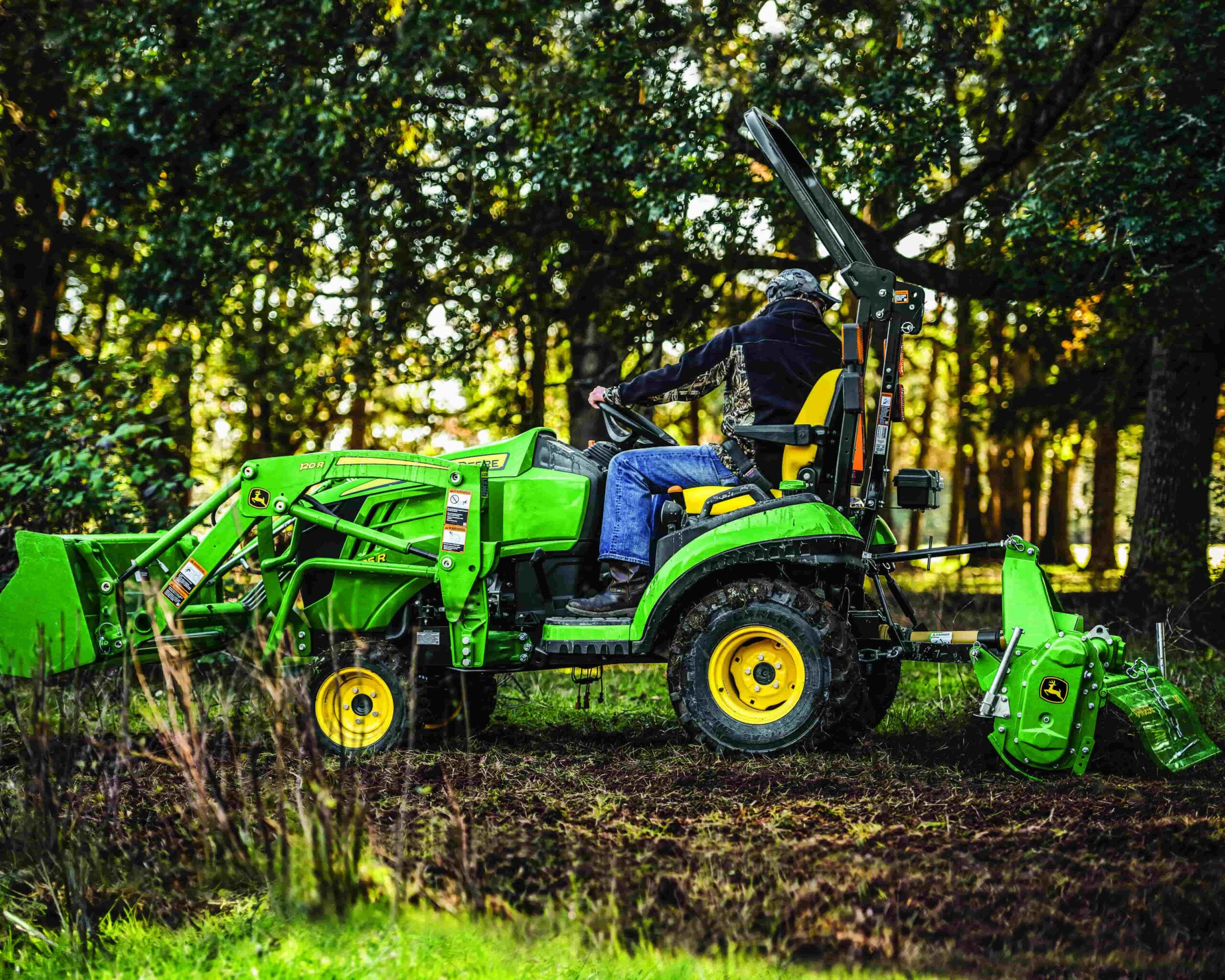
Consider what tasks you’re responsible for. Running rotary cutters, tillers, or post hole diggers requires adequate power take-off (PTO) horsepower. Light mowing and loader work requires standard PTO capability. Ensure that your tractor can deliver sufficient power for all of your required implements and attachments.
In the Midwest
Soil Type Matters
Heavy clay soils in eastern Missouri and Illinois require more power for ground engagement than lighter Kansas soils. A tractor adequate for Kansas might struggle in Missouri’s bottomland.
Seasonal Versatility
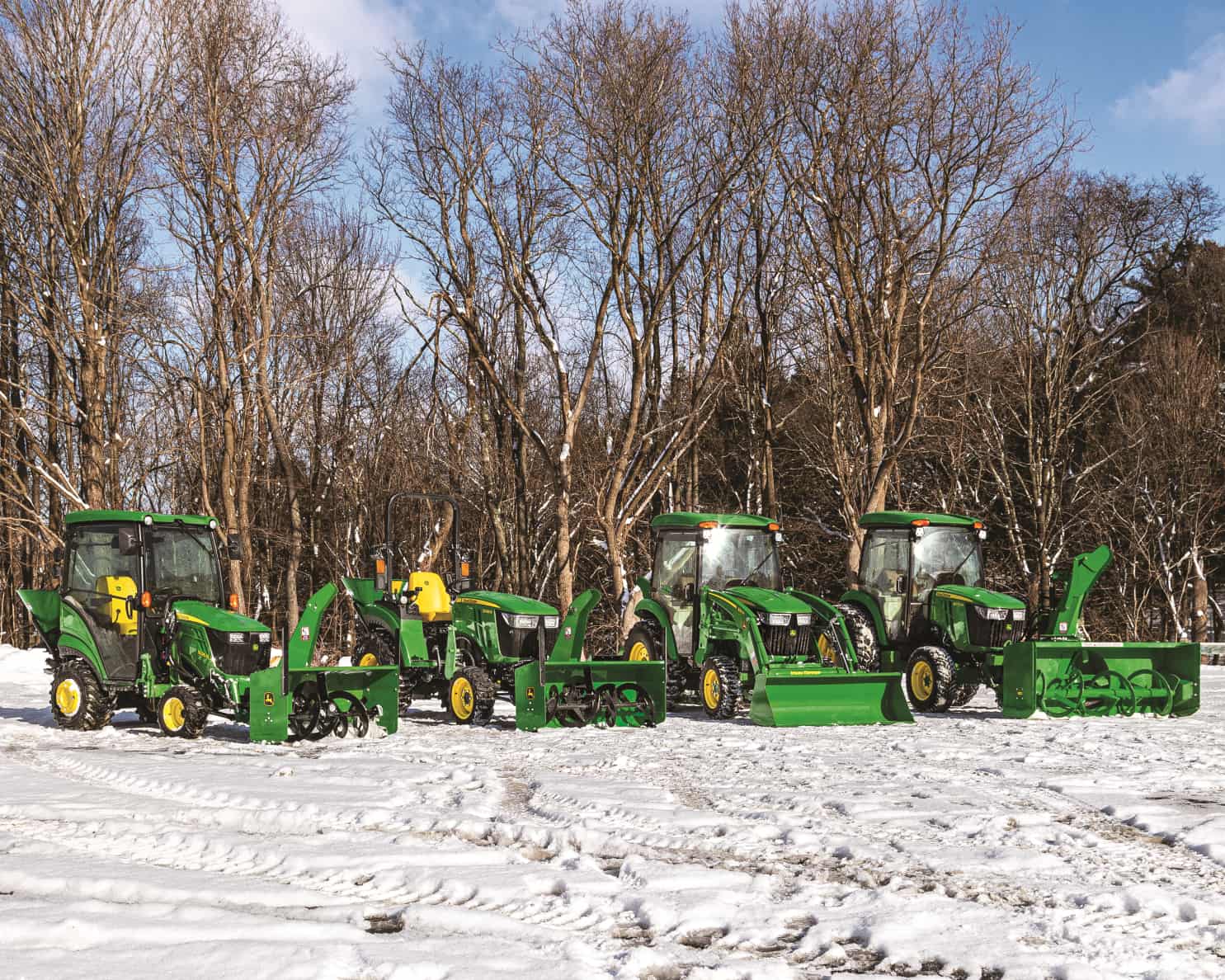
Year-round Midwest property management means considering snow removal, winter tasks, and mud season challenges alongside summer work.
Planning for Growth
Many property owners expand operations over time. Buying slightly more capability than you currently need prevents outgrowing equipment before you’re ready to invest.
Get it Right at Heritage Tractor
Ready to plan equipment that fits your property perfectly? Contact Heritage Tractor to discuss your acreage, terrain, and planned tasks. We’ll help you select tractors and features matched to your Midwest property’s actual demands.
With the right plan and the right piece of equipment, your time spent out in the field will be reduced – and much easier. Contact Heritage Tractor to discuss which tractor best fits the needs of your Midwest property, from acreage and terrain to daily chores.