Illinois farmers know that choosing the right tractor isn’t just about horsepower. It’s about pairing equipment with crop type, acreage, terrain, and technology. From dense corn and soybean fields to diverse operations in northern Illinois, John Deere’s lineup of agricultural equipment offers tractors and combine series suited for every farm. Here, we’re taking a look at some major John Deere series to see how they stack up for Illinois agriculture.
Find Your Local Heritage Tractor
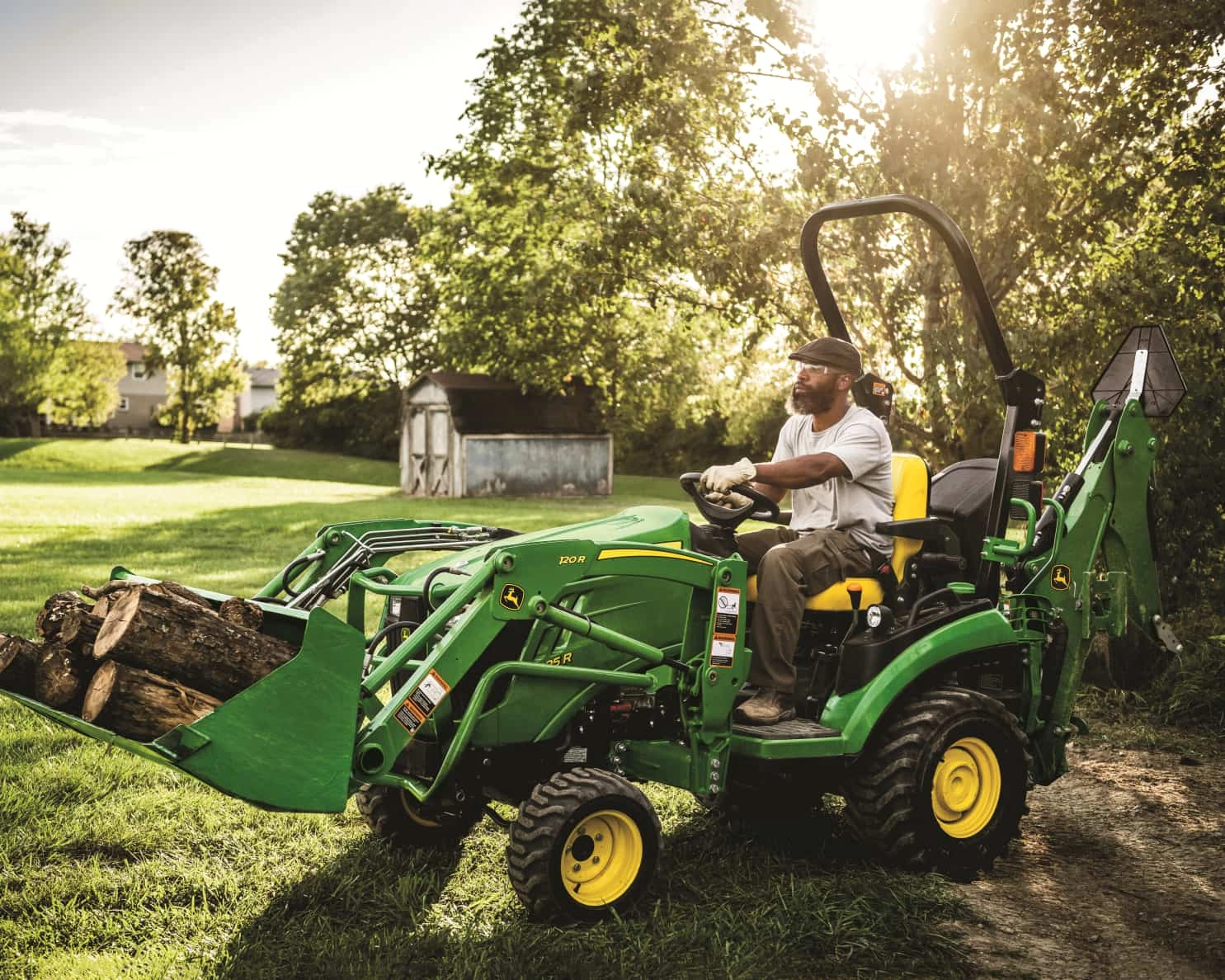
John Deere 5 Series: Smaller Acreage and Specialty Tasks
Best For: Small farms, livestock operations, orchards, ditch and roadside mowing, light fieldwork
Key Models: 5055E, 5075M, 5090R
Pros:
- Highly maneuverable – great for barns, feedlots, and orchard rows
- Available with loader-ready packages for utility use
- Lower operating and maintenance costs
Cons:
- Limited horsepower (50-130 HP)
- Not ideal for high-acreage row cropping or heavy tilling
John Deere 6 Series: A Mid-Size Workhorse
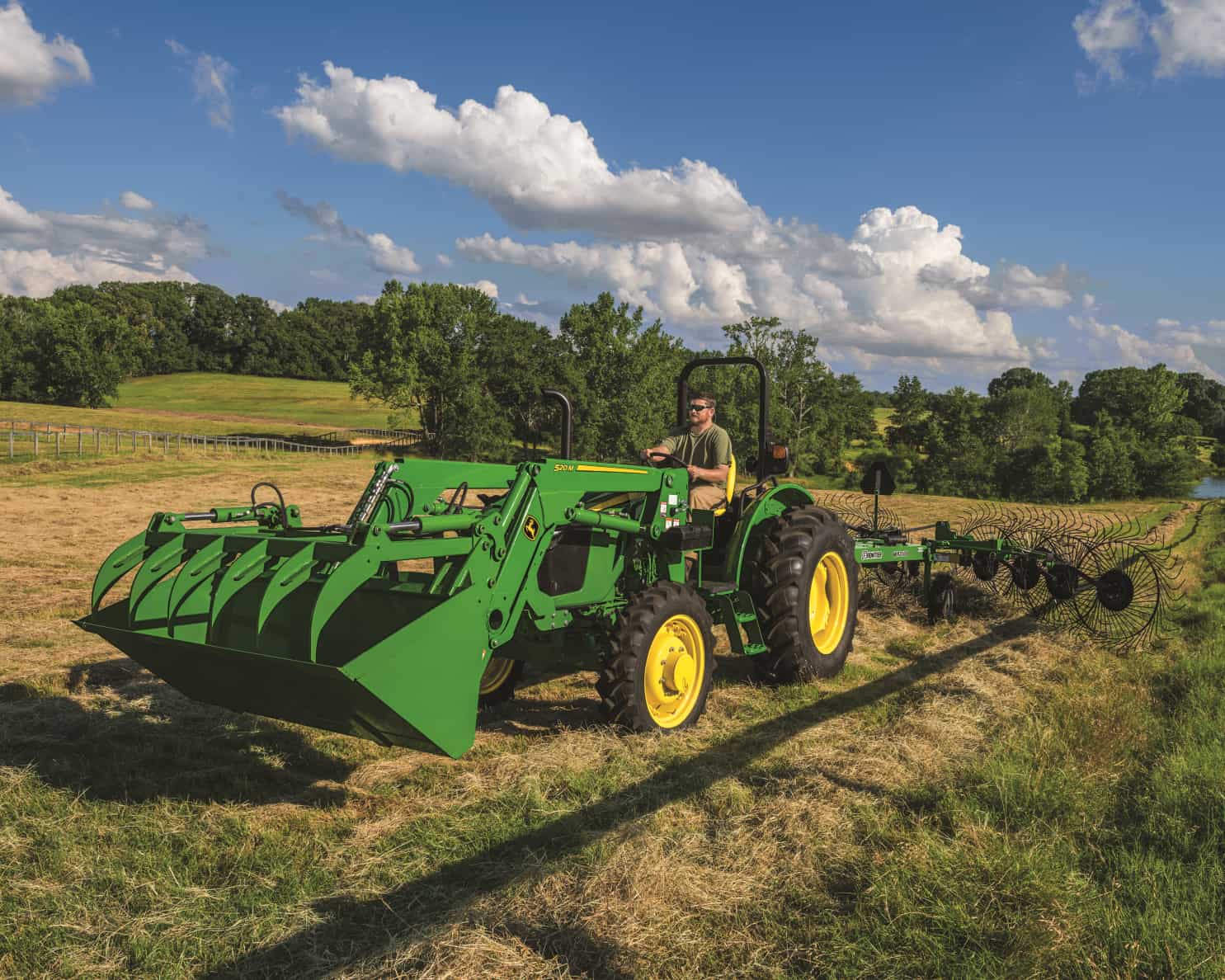
Best For: Mid-sized farms, hay production, loader work, planter pulling
Key Models: 6120E, 6130M, 6140M
Pros:
- Impressive balance of power and size (95-250 HP)
- Highly versatile with front loader and PTO options
- Great for multi-tasking farms with livestock and row crops
Cons:
- Less fuel-efficient for heavy tillage compared to John Deere’s 7 or 8 Series
- Higher investment than the 5 Series for smaller jobs
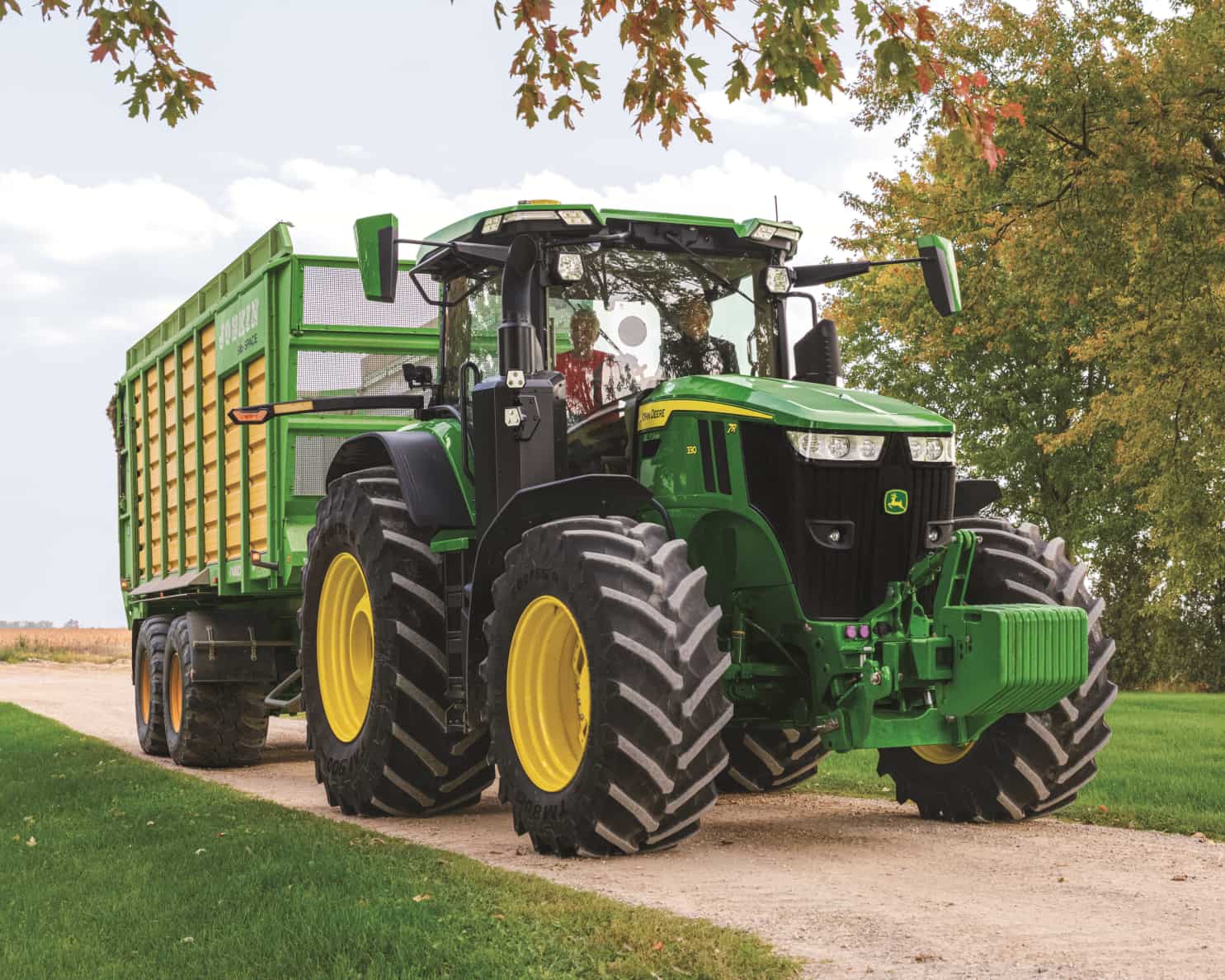
John Deere 7 Series: Precision Ag for Corn and Soy Farming
Best For: Row crop farms in the Midwest, including central and northern Illinois
Pros:
- High horsepower (210-350 HP) for planters, heavy tillage, and grain carts
- Integrated JDLink connectivity and Gen 4 displays for precision ag
- CommandPRO joystick for smooth control and comfort
- Impressive maneuverability – great for Midwestern terrain
Cons:
- High price point
- May be overkill for farms under 500 acres unless technology is a high priority
John Deere 8 Series: The Backbone of Large-Scale Farming
Best For: Large corn and soybean farms in Illinois
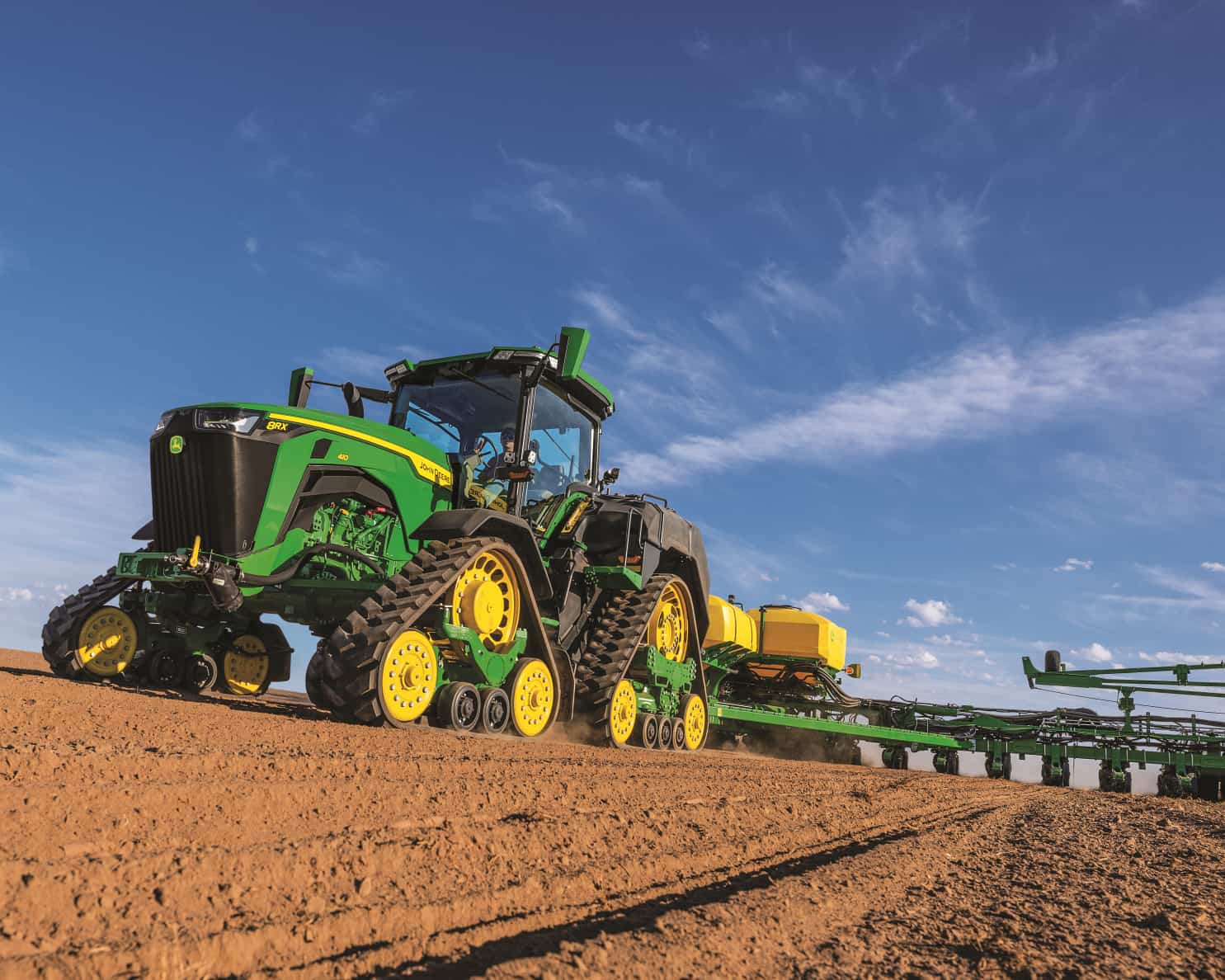
Key Models: 8R 310, 8RT 370, 8RX 410
Pros:
- High horsepower (230-410 HP) for tilling, planting, applying, and hauling
- Choice of wheel (R), two-track (RT), and four-track (RX) systems
- Advanced visibility and automation for optimal operator comfort
- Built for high efficiency in planting, tilling, and hauling
Cons:
- Potentially high upfront and maintenance costs
- Requires logistical planning and careful navigation around infrastructure
- Best for flat, open terrain – can be difficult to manage on hilly or small fields
John Deere 9 Series: Built for the Biggest Farms
Best For: Large-scale farming in Kansas, Missouri and Illinois growing on thousands of acres
Key Models: 9R 590, 9RX 640
Pros:
- 390-640 HP, ideal for high-demand tillage and seeding
- High-tech features for fully integrated and autonomous-ready operation
- High fuel and hydraulic capacity for long hours on the job
- Unrivaled pulling power
Cons:
- High investment – ideal for several thousand acres at a minimum
- Overpowered for moderate tillage and standard row cropping
- Requires a significant amount of storage and operation spaces
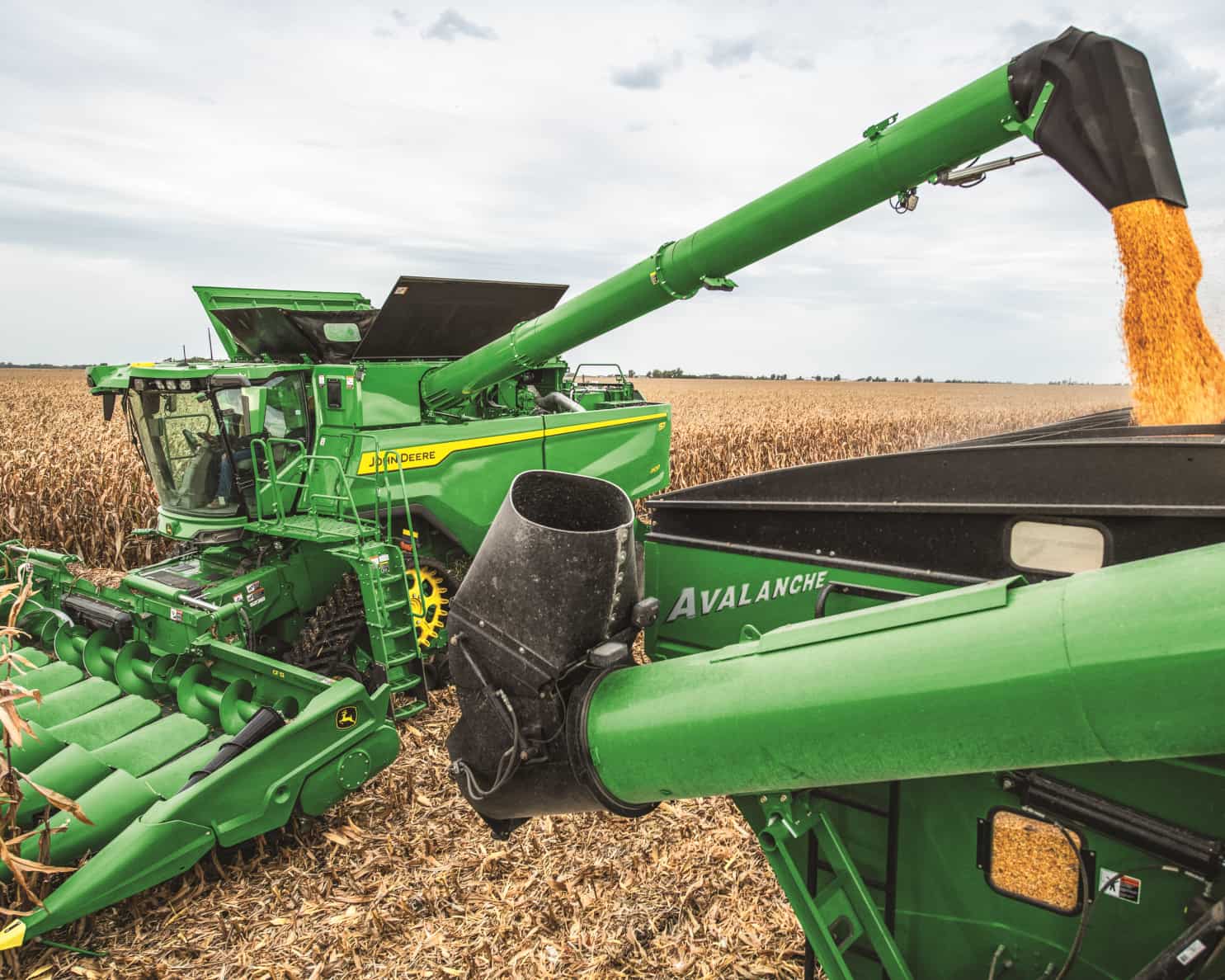
Bonus: John Deere S7 Series Combines
Best For: Grain harvest in soy and corn-heavy operations
Key Models: S7 700, S7 800, S7 900
Pros:
- Designed for high grain yields
- ActiveYield and Combine Advisor to minimize operator fatigue
- Automation for consistent throughput
- Reliable even in wet conditions and variable harvests
Cons:
- High investment compared to John Deere’s older combine series
- May require additional investments like draper platforms
Matching the Machine to the Mission
Midwestern farming, especially in Illinois, is diverse. Whether you’re managing a few hundred or a few thousand acres, raising livestock, or strictly row cropping, there’s a John Deere tractor series for your needs. Here’s a quick breakdown:
- Smaller farms typically thrive with the 5 or 6 Series.
- Mid- to large-sized farms needing higher levels of efficiency should be paired with the 7 or 8 Series.
- High-acreage operations requiring high power output and automation should consider the 9 Series for maximum working efficiency.
Buying a tractor isn’t always an easy decision. If you’re still struggling to pair the best tractor to your farm, reach out to your local Heritage Tractor to discuss the specifics with an expert.