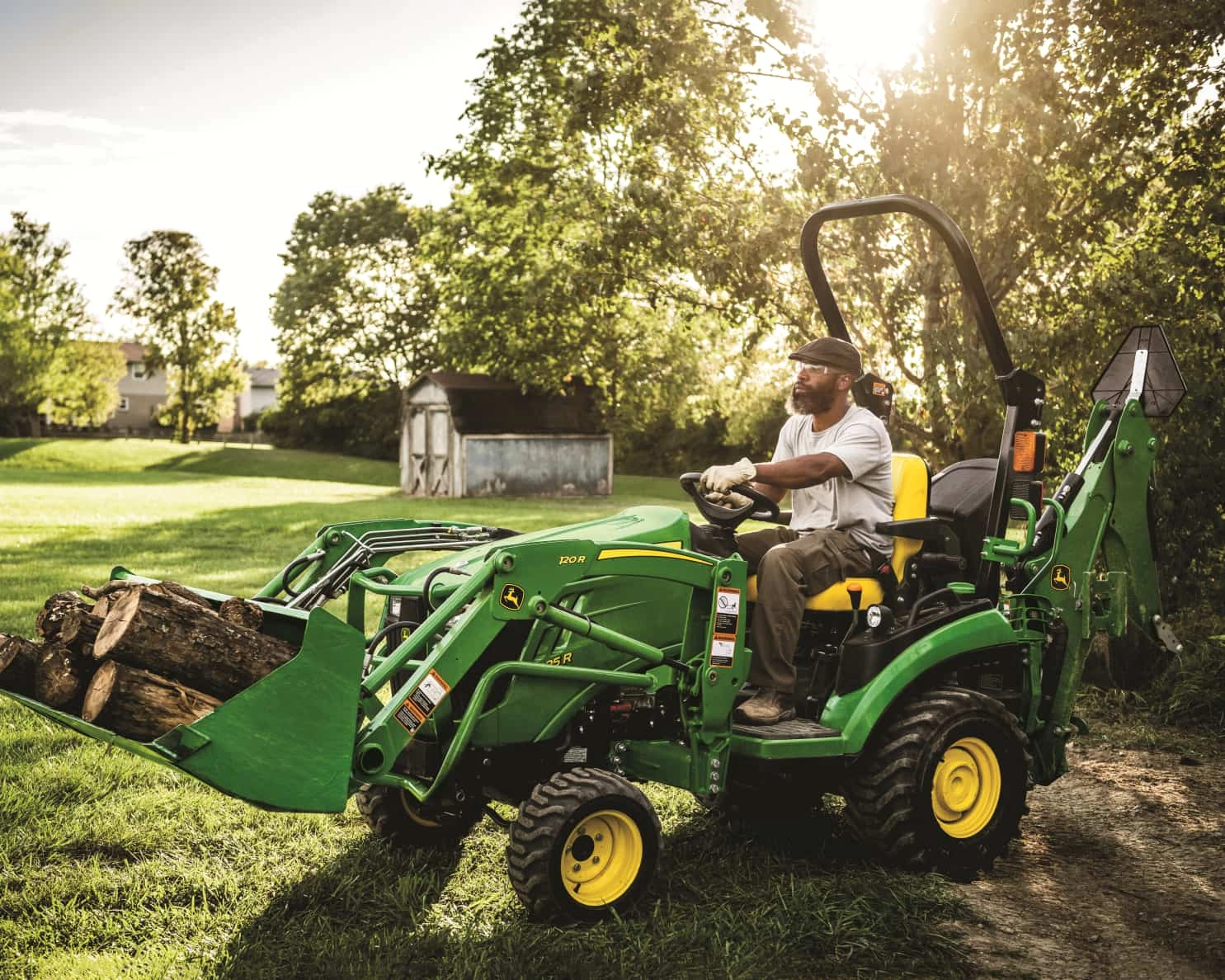
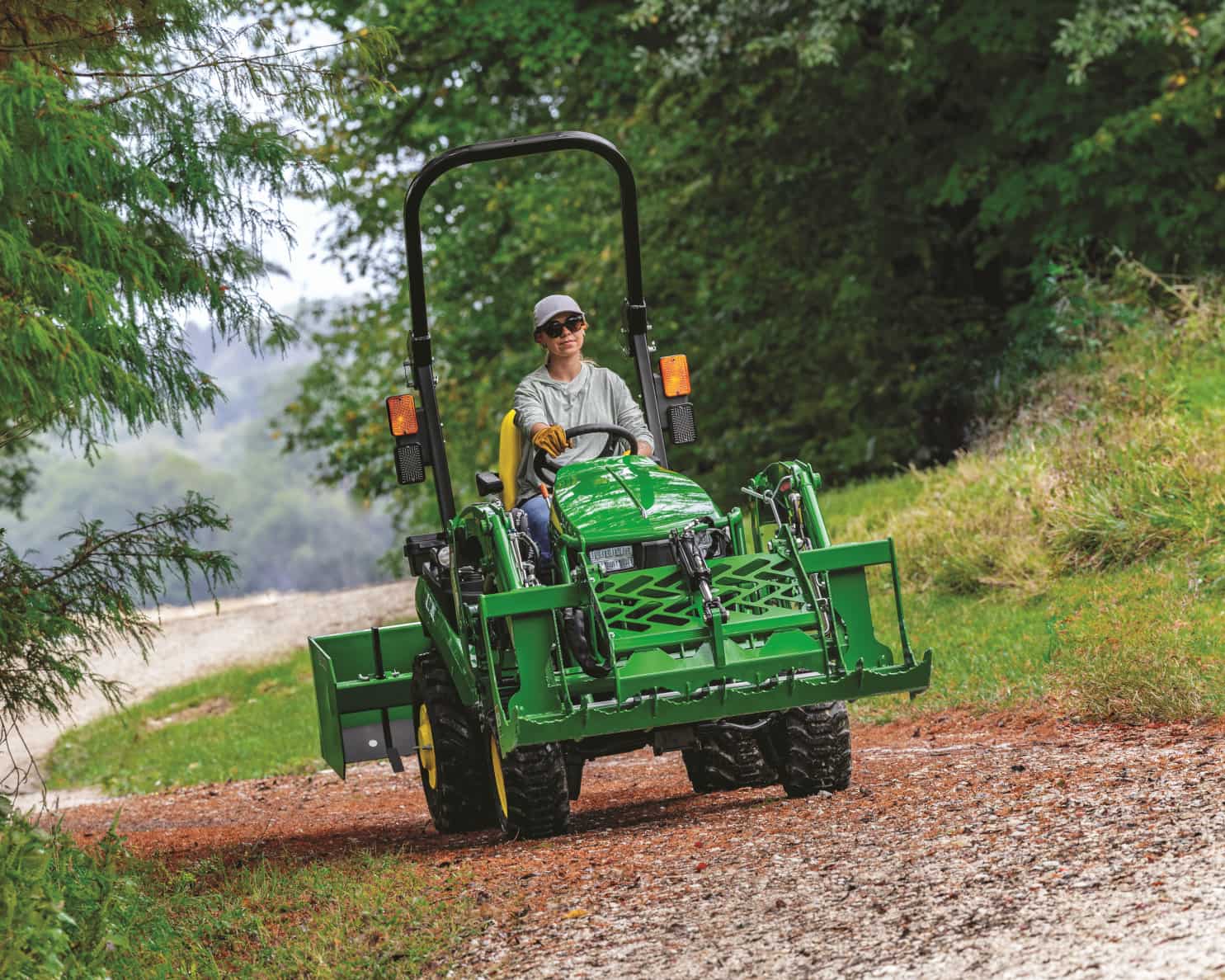
As the leaves start to change and fall sets in, landowners in the midwest are gearing up for projects like food plot prep, pasture maintenance, and basic property cleanup. A compact tractor is the perfect partner for the job! But buying used equipment requires attention to detail. Whether you’re looking at a John Deere, Kubota, or another brand, we’re breaking down what you should look for when making your investment in a used compact tractor.
Find Your Local Heritage Tractor
1. Hours and Usage History
Think of operation hours like mileage on your truck. While hours can indicate the potential lifespan of a piece of equipment, they won’t tell the whole story. For instance, a well-maintained tractor with plenty of hours may be a better investment than a neglected tractor with fewer hours. When buying used, always ask for service records and get a sense of how the tractor was used.
2. Engine and Transmission
When inspecting a used compact tractor, start the engine cold. A healthy engine should fire up easily without excessive smoke. Listen for knocking, grinding, and other unexpected sounds. Double-check that the transmission doesn’t hesitate when shifting gears. Test drive it under load to check for smooth operation.
3. Hydraulics and PTO (Power Take-Off)
When working on fall chores, you’ll probably get plenty of use out of tillers, mowers, and loaders. That means that optimal PTO and hydraulics are non-negotiable. Check for leaks and engage the PTO to ensure it runs smoothly.
4. Tires and Undercarriage
Fall can mean muddy fields under a heavy load. Inspect tires for cracks, worn or uneven tread, and other signs of alignment issues. Inspect the undercarriage for rust, bent components, and signs of heavy wear.
5. Electrical Systems
Test all lights, gauges, and switches. Faulty electrical systems usually lead to frustrating downtime with little notice. Pay attention to warning lights and check that safety switches like the seat, PTO, and clutch work as intended.
6. Loader and 3-Point Hitch
If the tractor is coming with a loader, check that the pins, bushings, and bucket don’t show signs of excessive wear or cracking. On the rear, test the hitch lift arms for smooth lifting and holding under weight – this is essential for box blade and spreader work.
7. Signs of Proper Maintenance
Check for fresh fluids, clean folders, and evidence of greased fittings. These are all signs that the previous owner kept up with routine maintenance. Ask the seller about maintenance intervals. If records aren’t available, factor a full fluid and filter change into the cost of your purchase.
Why Choose Heritage Tractor?
While private sellers may offer good deals, buying used from a trusted dealership comes with advantages that will save you money and downtime in the long run:
- Professional Inspection: We’ll carry out a multi-point inspection and catch issues that may not be obvious during a quick test drive.
- Service Records and History: We can offer access to the machine’s full maintenance history.
- Warranty and Protection Plans: We offer warranty coverage and extended service options to ensure successful and smooth operation.
- Financing Options: Unlike private sales, we offer competitive financing to help match your budget.
- Trade-In Value: If you’re upgrading, your trade-in will go straight toward the final price of your new tractor.
- Ongoing Support: Our service department and parts availability means less downtime on those mid-season repairs.
Ready to start shopping? Give us a call or view our used inventory now!